Learn more about Spodek Law Group and how we can help with your case.
Welcome to Spodek Law Group. We’re not going to tell you what you want to hear about federal criminal defense in Los Angeles. We’re going to tell you what defense attorneys know but rarely say publicly: when you get indicted in the Central District of California, you’re defending two cases simultaneously. There’s the criminal prosecution that happens in federal court. And there’s the reputation prosecution that happens in Google search results, on TMZ, in your industry, and in every background check for the rest of your life.
The Central District of California handles more federal cases than any other district in the nation. It’s also located in the entertainment capital, five blocks from Hollywood, in a media ecosystem that feeds on federal indictments. Federal prosecutors here know exactly what happens when they announce an indictment at 4pm on a Tuesday. Your attorney can’t respond until the next day. But the evening news runs the story that night.
The Media Machine Nobody Warns You About
Federal defense in Los Angeles is about managing two simultaneous realities. The Central District sits in a unique media environment that amplifies every federal case beyond what happens in other jurisdictions. You have traditional legal reporters, entertainment press, tech press, local TV news, and TMZ.
Federal prosecutors in the Central District understand this ecosystem better than anyone. They’re strategic about timing announcements, unsealing indictments, and scheduling arrests for maximum media impact.
The 18-Month Execution Window
The average time from indictment to trial in the Central District is 18-24 months. That’s longer than most federal districts. During those 18-24 months, your life is on hold. But your reputation destruction is in progress.
You have a Sixth Amendment right to a speedy trial. Except invoking that right in the Central District often means going to trial before your attorney has adequate time to investigate complex financial records. So your choice becomes: either waive speedy trial and suffer extended publicity, or exercise your constitutional right and go to trial unprepared.
During those 18-24 months before trial:
- Your clients don’t wait around to see if you’re acquitted
- Your vendors don’t extend credit to someone under federal indictment
- Your investors don’t stick with someone who might go to prison
- The business death spiral starts immediately
What The Central District Actually Prosecutes
Entertainment Industry Fraud
Entertainment industry fraud sits at the top of the list. Fake film financing schemes. Ponzi schemes targeting industry figures. Royalty theft. Copyright infringement at scale.
Public Corruption
The recent Los Angeles City Council scandals resulted in multiple federal indictments announced in coordinated takedowns designed for maximum media impact.
Economic Espionage
Chinese nationals charged with economic espionage and intellectual property theft represent another major priority. The Central District prosecutes more of these cases than almost any other district.
Healthcare Fraud
Healthcare fraud targeting wealthy providers remains a consistent focus. The Central District has been part of Medicare Fraud Strike Force operations resulting in hundreds of millions in alleged fraud charges.
PPP Loan Fraud
PPP loan fraud became a massive priority post-pandemic. The Central District charged hundreds of defendants with fraudulently obtaining COVID-relief funds.
The Varsity Blues Blueprint
Federal prosecutors charged dozens of wealthy parents with fraud and bribery for paying to get their kids into elite universities. The government announced the indictments in a massive coordinated press conference. Fifty defendants. Multiple states. Orchestrated arrests designed for media coverage.
Lori Loughlin lost her acting career before trial even started. Felicity Huffman pled guilty early and received 14 days in custody. Years later, she’s still rebuilding from the damage. Defendants who were acquitted or had charges dropped still suffered permanent career damage.
Why Google Never Forgets
The moment you’re indicted in federal court, the charges are filed in PACER. Legal news aggregators automatically scrape PACER filings and republish them. Within 48 hours of your indictment, multiple search results appear. Your employer Googles you. Your clients Google you.
Your acquittal gets covered by one legal trade publication if you’re lucky. Google’s algorithm sees the acquittal as less important because fewer sources covered it. So the indictment articles stay at the top of search results.
The 72-Hour Window After Indictment
The first 72 hours after indictment are when you have maximum leverage to minimize reputation damage. Your attorney needs to be doing ALL of the following simultaneously:
1. Craft and Publish a Public Statement
A strategic statement that provides your narrative before the media narrative hardens.
2. Direct Outreach to Key Relationships
Your attorney should be personally contacting your employer, major clients, business partners, and professional licensing board.
3. Immediate Reputation Management Consultation
A professional reputation firm should be assessing what’s already published and beginning the process of creating positive content.
4. Documentation of All Damages
Start tracking immediately which clients left, which business opportunities disappeared, what financial damages occurred.
5. Strategic Assessment of Plea Options
Your attorney should be evaluating not just the strength of the criminal case but the length of timeline to trial and the publicity of trial versus plea.
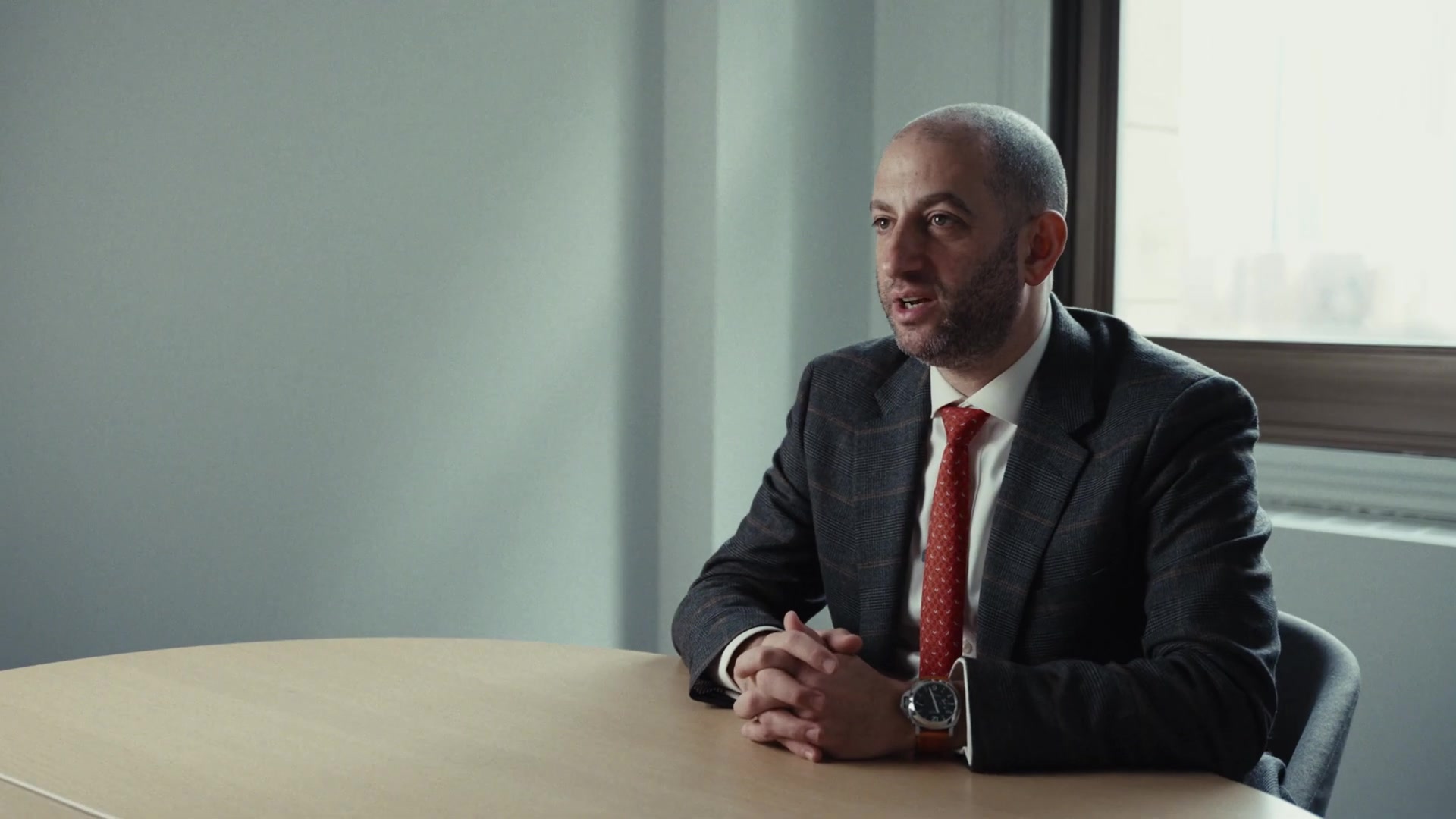
Todd Spodek and the team at Spodek Law Group understand that federal defense in Los Angeles requires fighting two cases simultaneously from day one. If you’ve been contacted by federal agents, if you’ve received a target letter, if you’ve been indicted – call 212-300-5196 immediately.
Reduction in pretrial jail population since NJ bail reform implementation.
Source: NJ Judiciary Annual ReportApproval rate for properly filed expungement petitions in NJ.
Source: NJ Courts Statistical ReportCommon Mistakes to Avoid
Actually Stay Silent
Most people know they have the right to remain silent but still talk to police. Anything you say can and will be used against you. Politely decline to answer questions until your attorney is present.
Bail Conditions Are Enforceable
Violating bail conditions, even minor ones, can result in immediate re-arrest and make it much harder to obtain bail again. Follow every condition to the letter.
Proven Track Record
Recent Case Results
*Results may vary depending on your particular facts and legal circumstances.
SEE ALL CASE RESULTSWhat Our Clients Say
"Todd Spodek is the kind of lawyer who treats every case like it is his most important. He fought for me when I felt hopeless and delivered results that changed my life."— Russell H., Criminal Defense Client MORE REVIEWS
Lead Attorney & Founder
Todd Spodek
Featured on Netflix's "Inventing Anna," Todd Spodek brings decades of high-stakes criminal defense experience to every case.

Need Help With Your Case?
Our experienced criminal defense attorneys are available 24/7 for a confidential consultation.
100% Confidential. Your information is protected.
Frequently Asked Questions
New Jersey reformed its bail system in 2017. Instead of a cash-based system, judges now use a Public Safety Assessment (PSA) to determine whether a defendant should be released pretrial. Most defendants are released with conditions, while those deemed high-risk may be detained. An experienced attorney can argue for favorable release conditions at your detention hearing.
No. You have the constitutional right to remain silent and to have an attorney present during questioning. Anything you say to police can be used against you in court. Politely invoke your rights by saying "I want to speak with my attorney before answering any questions." This cannot be held against you.
Attorney fees vary based on the complexity of the case, the charges involved, and whether the case goes to trial. At Spodek Law Group, we offer transparent pricing and flexible payment plans. We provide a free initial consultation to discuss your case and give you an honest assessment of costs. Investing in quality representation often saves far more in the long run than choosing the cheapest option.
An arraignment is your first court appearance after being charged with a crime. The judge will read the charges against you, and you'll enter a plea (usually not guilty at this stage). The judge will also set bail or release conditions. Having an attorney at your arraignment is critical, as they can advocate for favorable bail terms and begin building your defense strategy from day one.
Why Clients Choose Spodek Law Group
45 seconds that explain our difference